Selection Guides
Dual-Board vs Single-Board Camera Modules: Which Integration Path Fits Your Product?
Dual-board modules separate sensor and main boards for thermal and optical flexibility; single-board modules minimize size and BOM. How to choose.
Two integration paths
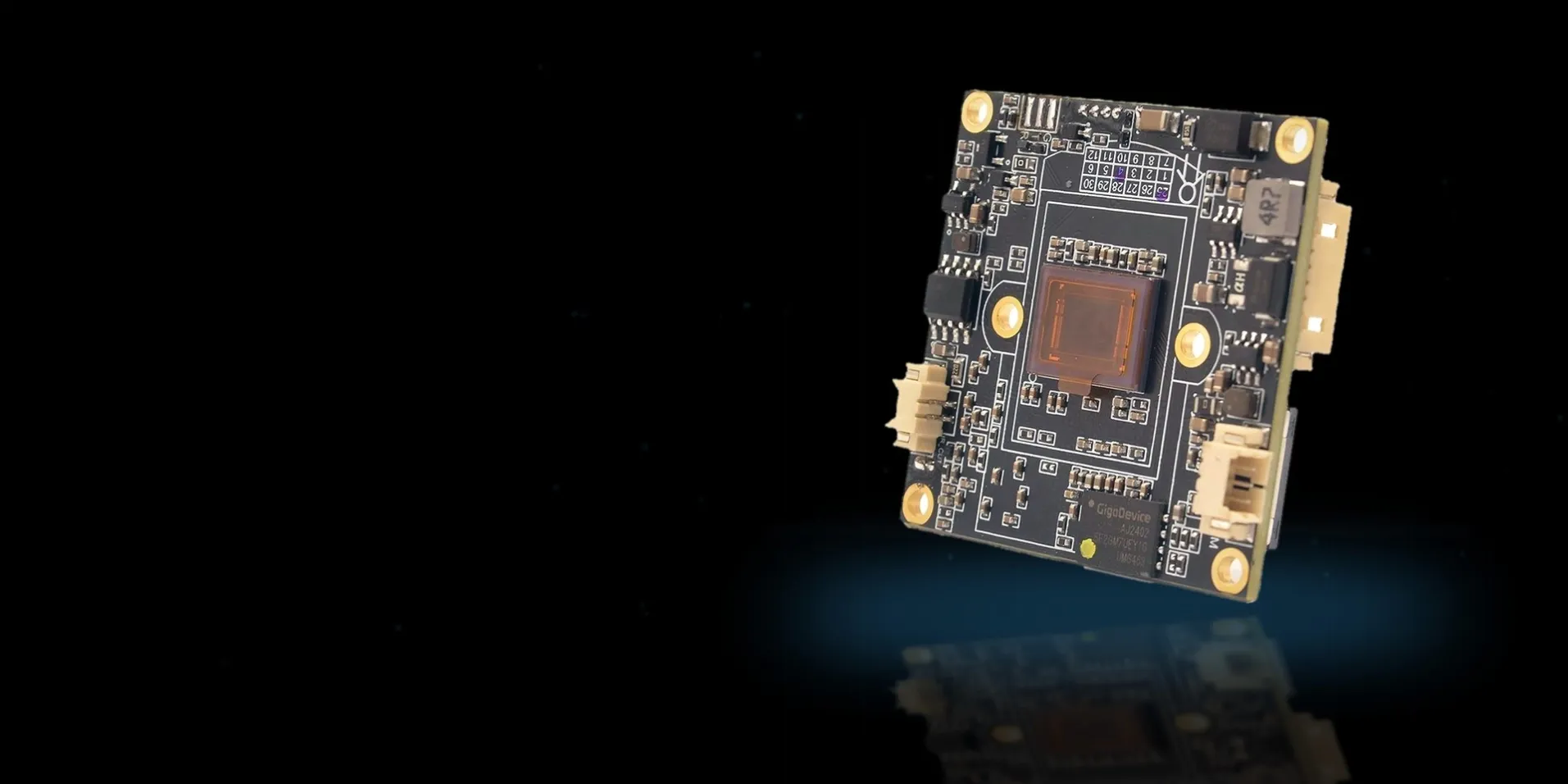
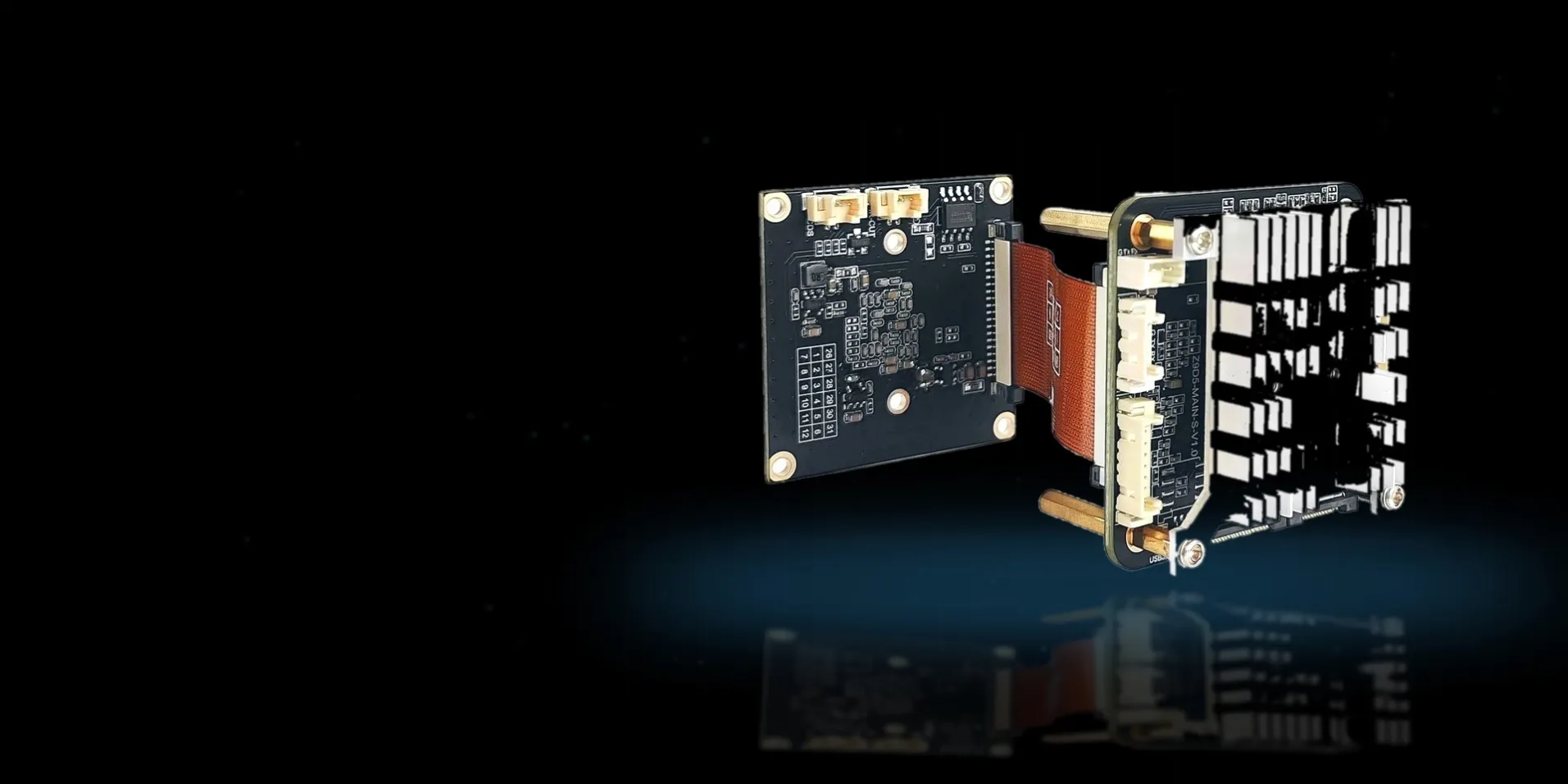
A dual-board module splits the sensor head from the main processing board, connected by a board-to-board interconnect. A single-board module integrates the sensor and the SoC on one compact PCB. Both paths are in volume production in our line: four dual-board models on the Hi3516DV500 and Hi3519DV500 platforms, and four single-board models on the Hi3516CV610 and Hi3516DV500 platforms.
Thermals, optics and serviceability
The split layout of a dual-board module moves SoC heat away from the sensor, which matters for starlight performance where thermal noise eats the shadow detail you paid for. It also gives the optical assembly its own mechanical reference, which is why motorized zoom lenses - 2.8-12mm, 3.6-10mm and 6-22mm motorized zoom options - pair naturally with dual-board designs.
The single-board path wins on size and bill of materials. With one PCB, the camera loses an interconnect, a connector pair and several millimeters of stack height. For compact housings, doorbell form factors and high-volume SKUs, that is often the deciding constraint.
How the feature sets differ
On the DV500 dual-board platforms, audio input and output plus one alarm input are listed as default, while TF recording storage, CVBS analog output, alarm output and auto-iris control attach through an optional interface board. The single-board line instead exposes richer onboard interfaces such as USB and RS-485 alongside audio and alarm lines, reflecting its role in embedded and compact devices.
Choosing by product, not by fashion
Choose dual-board when your product has room, needs zoom optics or wants the sensor thermally isolated. Choose single-board when the housing defines the BOM. If your volumes justify it, both paths can share one SoC family - our single-board domestic models sit on the same Hi3516DV500 as the mainstream dual-board line - which keeps your software stack common across products.
Tell us the enclosure, lens plan and annual volume; we confirm the right path and board revision before you commit.