Technology Notes
Why a Domestic-Chip Module Option Belongs in Your 2026 Supply Plan
Supply shocks hit camera makers twice - once on sensors, once on SoCs. Single-board modules on the fully domestic SC285/SC485 + Hi3516DV500 chain de-risk both.
The dual sourcing problem
A camera module carries two chips it cannot work around: the image sensor and the SoC. When allocation tightens, both become constraint points at the same time, and a camera maker with a single qualified chain stops shipping. That is the practical argument for qualifying a second source before you need it, not after.
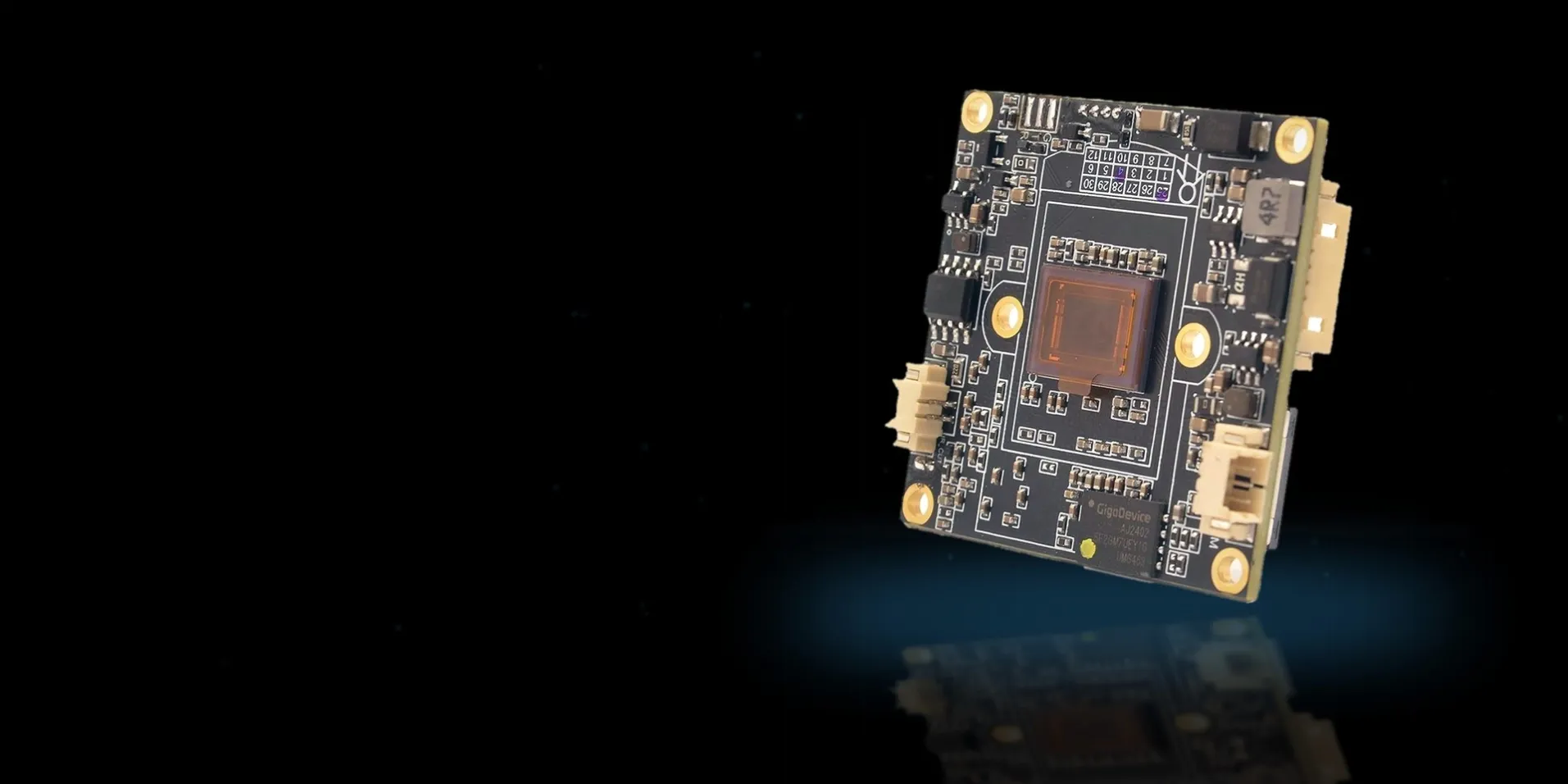
Our answer is a pair of single-board modules built on a fully domestic chip chain: the 2MP SC285 module and the 4MP SC485 module, both on the HiSilicon Hi3516DV500 SoC. Together they cover the two highest-volume camera tiers.
Qualification without re-engineering
The domestic modules share their SoC family with the mainstream dual-board line, so the encoder, the network stack and the toolchain stay common. Both tiers speak ONVIF and ship with an SDK, and the SC285 sheet additionally lists RTSP and HTTP, which means your NVR integration and analytics pipeline carry over without a porting project.
Feature parity follows the same pattern: H.265/H.264/MJPEG smart encoding, one channel of audio input and output, one alarm input, ultra-starlight low illumination, low latency and wide dynamic range.
Planning the split
A common pattern is to keep the premium 4K and starlight SKUs on the Sony-sensor line while moving the volume 2MP and 4MP SKUs to the domestic chain. The shared SoC family and the common ONVIF/SDK stack keep the software side of the change common.
Ask us about availability and sample units against your scene requirements; both module tiers are in production today.